
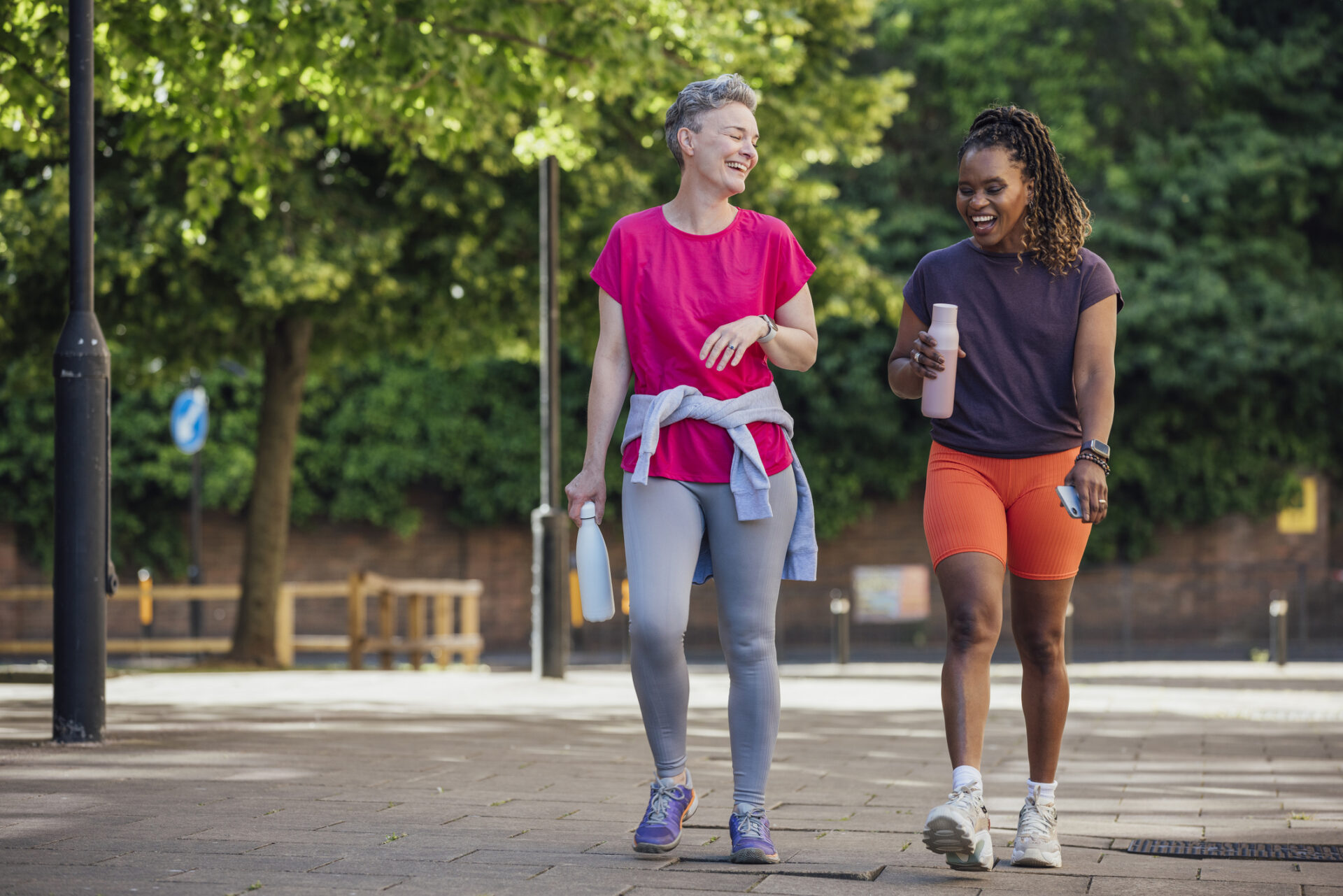
As most sporting organisations look for ways to broaden participation and make activities accessible to a wider range of adults, many are exploring “walking versions” of traditional sports.
These adaptations offer lower-impact opportunities for people to stay active, to socialise, and to connect with their local community.
Recently, a group of sporting organisations came together to discuss the safeguarding implications required to adapt sport programmes.
Brian Hoyle, Safeguarding Manager and County Safeguarding Officer at Somerset Cricket Foundation, shared valuable insight into how they have developed their offer to create opportunities to widen their reach within their community. So far, they’ve set up nine walking cricket clubs across the county.
Their work demonstrated how adapting sport can widen community reach. But at the same time, it highlights the safeguarding complexities that NGBs must navigate to ensure a consistent and safe offer nationwide.
The conversation raised several important considerations for any organisation planning to include a walking format of their sport. But it’s important to remember that, as with all safeguarding matters, a one-size-fits all approach will not work here. Every organisation will have to consider their own unique needs.
Understanding the audience
Is the walking version deigned for people new to the sport, or is it a pathway for existing players who want a lower-impact alternative?
The safeguarding risk assessment will differ depending on the target group.
- New participants – If the aim is to encourage more people to stay active and participate in the sport, then this is likely to attract a wider variety of people and from different entry points. This could include social prescribers, leaflets in GP surgeries, and local social media posts.
- Existing members – These are likely to be already known group to the clubs, which will make it easier to identify and plan for their needs, risk, and support requirements.
Clarity about the intended participant group informs the scope of the safeguarding risk assessment and appropriate mitigations.
Considering the physical ability and needs
Is the group open to all adults no matter their age or ability? Or does it cater for a particular group? e.g. older adults, retirees, those with long-term health conditions, disabled participants etc.
Safeguarding considerations will differ from individual to individual, so you’ll need to tailor your service accordingly. Working closing with the inclusion teams, local support groups, and relevant networks will help inform the safeguarding risk assessment. This will ensure the activity is responsive to every participant’s unique needs.
It might be that some individual’s needs will prevent them from being able to participate. In this case, you might signpost them to an alternative sport or activity.
Clarifying the purpose of the activity
Is the primary purpose to provide social, wellbeing, and physical health activity? Or is it to create a structured competitive environment for experienced players to continue to compete?
The purpose links directly to the audience and their abilities. It therefore shapes where the safeguarding risks lie. For example, social or wellbeing-focused sessions may attract individuals who are more isolated or referred through health pathways. On the other hand, competitive walking formats may involve fewer unknowns, but higher levels of physical exertion.
Being clear on your purpose can ensure your safeguarding measures are proportionate and purposeful.
Registration and meeting individual needs
Do participants register with a local club? Or do they join the national organisation and have the freedom to attend sessions across multiple venues?
Local membership normally means stronger relationships. It can also lead to an improved understanding of individual needs, while making it easier to communicate your codes of conduct and expectations. More fluid models will require different processes to share information and ascertain individuals’ need.
Affiliation structures and breakaway groups
Are the groups formally affiliated to the NGB? Or are informal groups or leagues simply hiring the venue and using the sports name?
The distinction affects where the safeguarding responsibilities start and stop. It will also determine the requirement and expectations to follow the national guidance, hiring agreements, and the level of reputational risk should an incident occur.
Capacity to deliver safeguarding arrangements – national or local.
Does the local club or organisation have the structure, remit and knowledge to offer extra sessions? Or does it rely on committees or volunteers, meaning that capacity will vary?
Somerset Cricket Foundation, for example, has the local-infrastructure, remit, and knowledge to offer diverse programmes that meet the needs of their local community. Other organisations may not have such an established local structure. They may be more reliant on local committees and volunteers. So, a lot will depend on how willing clubs and volunteers are to offer these services, along with the level of safeguarding confidence to implement. This could lead to inconsistencies and increased areas of risk.
Other areas to consider
Safe Recruitment
- Eligibility of DBS checks to run bespoke sessions
- Ensuring recruitment reflects the needs and risks
Safeguarding Training
- How is this delivered to volunteers?
- Tailoring training for specific audiences?
- Trips and falls training?
Risk Assessment – Mitigation
- Use of Generic RA templates from NGB or bespoke
- Codes of conduct and player guidance
- Insurance
- Volunteer agreement
- Access to medical information
- Fit to play guidance
- Volunteer agreement
- Welcome pack
This was just the start of the conversation. We know that there is a long way to go to get to the point where we are confident that organisations can put in effective safeguarding arrangements to provide alternative sporting formats.