
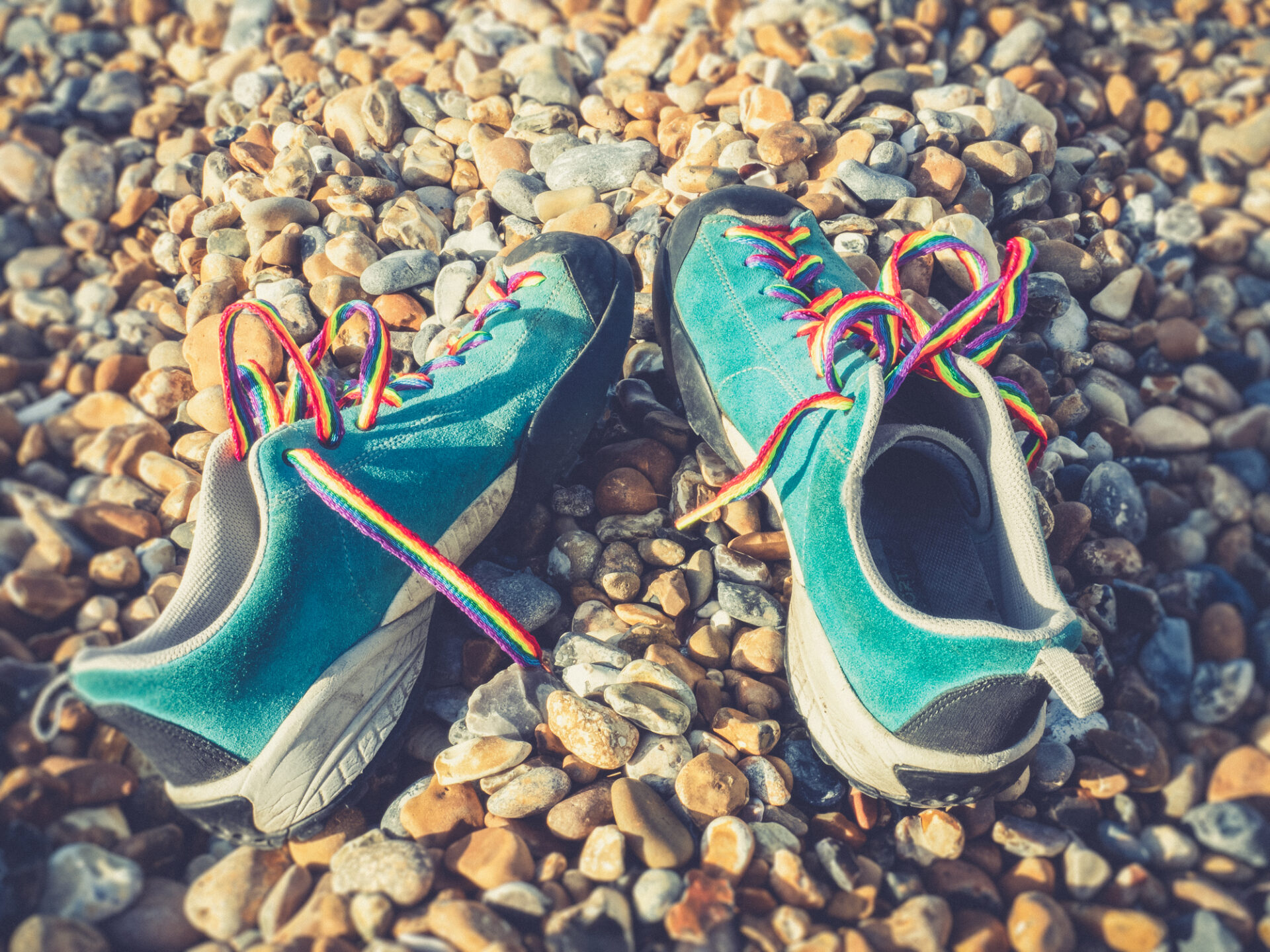
As we draw to the end of LGBTQ+ History Month we’d like to shine a light on the importance of inclusivity in sport and how this can ultimately play a part in Safeguarding Adults.
The Safeguarding Adults in Sport Framework highlights a link between Equality, Diversity and Inclusion (EDI) and Safeguarding. This connection is crucial to creating an organisational culture that welcomes and protects its people. The Framework addresses this issue at a policy and procedure level. But it’s especially important to understand how your organisational culture makes people feel in reality.
Sport and physical activity can be a huge part of someone’s trusted community. A sport club can act as a safe space, preventing social exclusion while providing opportunities to confide. This can often contribute to increased support and signposting.
These are all things that can help prevent abuse, and create protective factors if people are suffering. Given the LGBTQ+ community often feel marginalised within sports activities, it feels vital that we continue to emphasise the importance of inclusion and the positive impact this can have.
Angela Nilmadhub-Watson, one of Active Sussex’s Sport Welfare Officers, recently published a post discussing the importance of LGBTQ+ role models in the sector. She also explored what organisations can do to help people like her feel comfortable and welcome.
Sports clubs play a vital role in creating inclusive environments. By actively promoting welcoming environments, challenging discrimination, and supporting visibility, clubs can help ensure LGBTQ+ people feel safe and valued. Simple actions such as engaging with campaigns like Rainbow Laces, using inclusive language, listening to lived experiences, and celebrating diverse role models can make a real difference.