
The Ann Craft Trust and NSPCC Sport offer tailored, interactive, two hour online board safeguarding training sessions which focus on the board’s role in strategic safeguarding.
These sessions provide insight and prompt discussion into what safeguarding means within sport and physical activity. They encourage board members to consider what they can contribute to a stronger safeguarding culture in their organisation.
When an organisation’s board participates in the session together, it provides an opportunity for everyone to understand each other’s perspectives, while reinforcing an organisational approach to safeguarding from the top down.
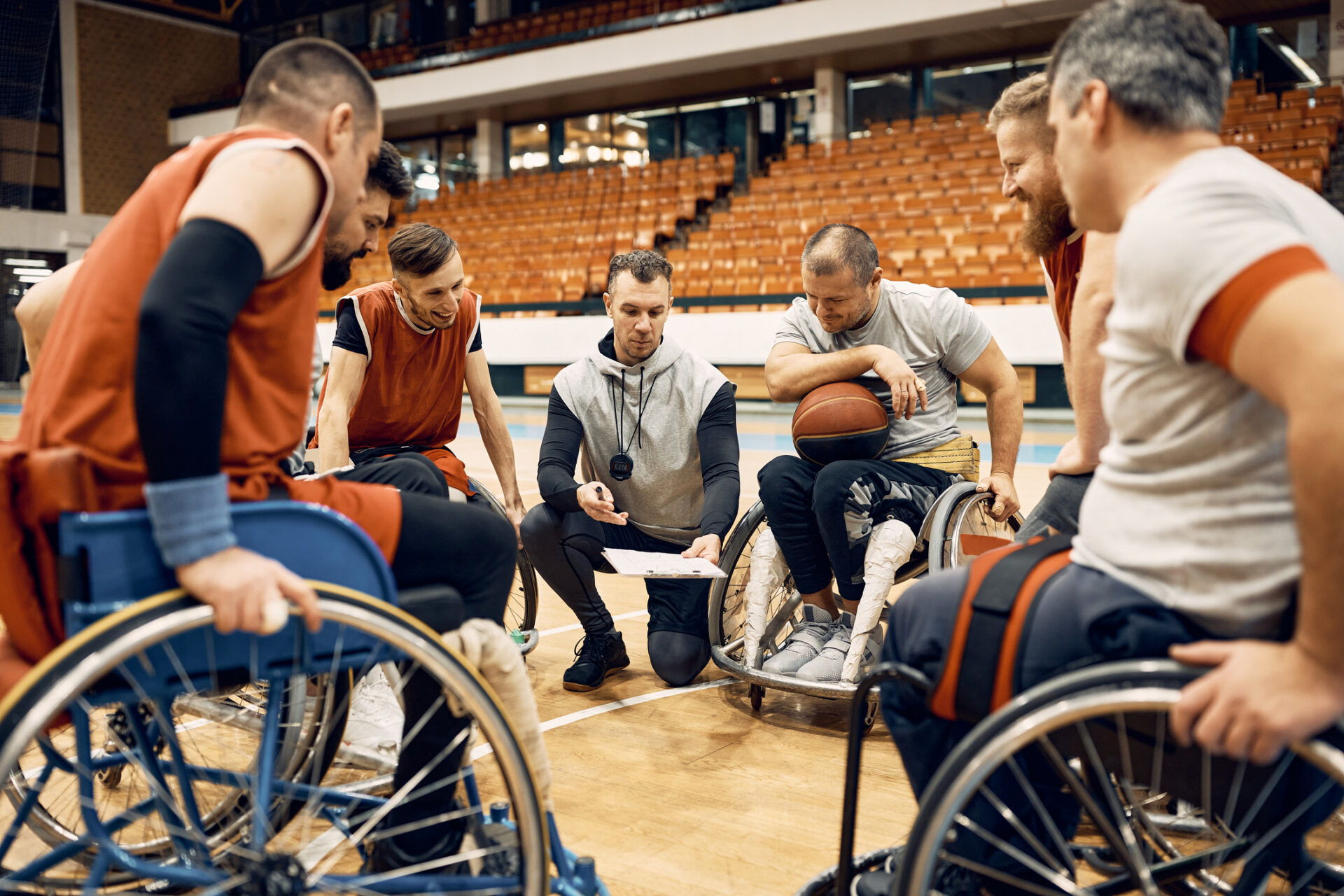
How Board Safeguarding Training Helped Align The Safeguarding Culture at British Wheelchair Basketball
In this short video, Jules Parke-Robinson, Board Safeguarding Champion at British Wheelchair Basketball, explains how tailored board safeguarding training contributed to a stronger safeguarding culture at her organisation:
Board Safeguarding Training Covers:
- A recap and overview of safeguarding children and adults in sport – although pre-course learning is provided for those less familiar with these topics at operational level.
- Proactive and Preventative Safeguarding vs Reactive and Responsive Safeguarding.
- What safeguarding means for the organisation, depending upon its role and priorities.
- The Board’s safeguarding duties and strategic oversight – curiosity is key.
- Organisational culture and its building blocks.
- The Board Safeguarding Champion’s role including their relationship with the Lead Safeguarding Officer.
- Scenarios – organisational culture, reputational risk and board oversight.
- Organisational gaps, risks, and next steps.
Board Safeguarding Training – Key Messages
- Safeguarding children and adults differs in legislation, abuse categories, consent and reporting, but everyone deserves to participate safely.
- Safeguarding is everyone’s responsibility. The Board retains strategic accountability and are responsible for playing a key role.
- Boards should create the culture and oversee resources, policies, action plans, compliance and safeguarding risks.
- Effective safeguarding combines proactive prevention with robust responses to concerns.
- A Board Safeguarding Champion should support and challenge the Lead Safeguarding Officer, and communication is a key part of this role.
- A safer culture requires leadership, investment, shared values, sound procedures, trained people, and participant involvement.
Safeguarding Cannot be Treated as a Compliance Exercise
Instead, it must be embedded in your organisation’s governance, culture, and decision-making.
Let’s continue the conversation together.
Get in touch if you have any questions, or if you want to book your board safeguarding training.
Start Your Board Safeguarding Training Journey TodayBoard Champion Email Sign Up